
Knowledge
Browse our guides, video courses, posters, articles and more.
Guides
Guide on Effective PAD Screening
How to reliably detect PAD in 3 minutes. And why traditional ABI testing is insufficient.
Get Guide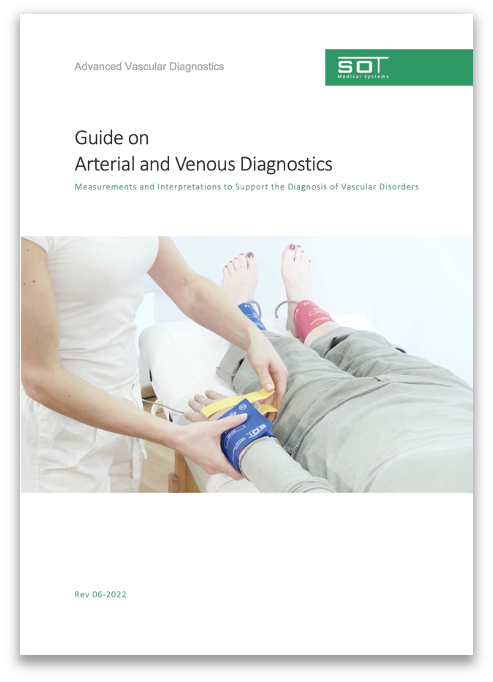
Guide on Arterial and Venous Diagnostics
Arterial and venous measurement applications and their interpretation, together with parameters, reference values, normal and pathological test examples.
Get GuidePosters
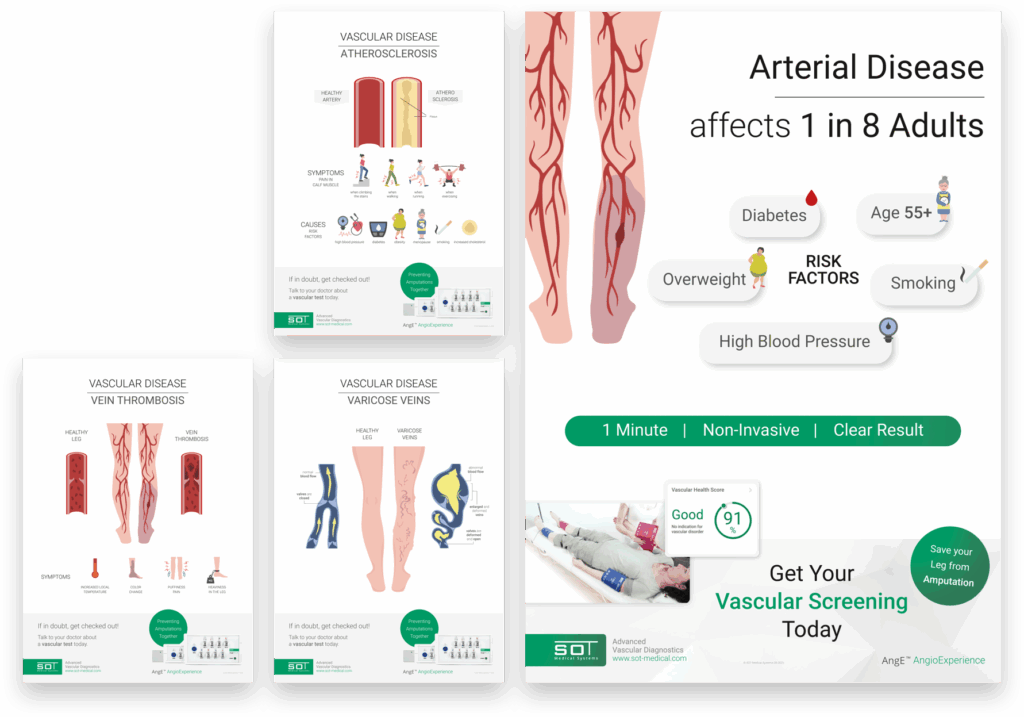
Educational Posters
Raise awareness of vascular health with our educational posters covering atherosclerosis, varicose veins, venous thrombosis, and arterial disease.
Get PostersVisit our Vascular Academy:


Workshops
Regular lectures and hands-on sessions by experienced vascular experts.

E-Learning
Case studies and webinars on ABI, oscillography, diabetic foot and more.

Research Papers
Current scientific publications around the topics of PAD and vascular diagnostics.

Videos
Step-by-step application videos on various examination methods.
Step-by-Step Videos
Latest Articles
-

How to Screen for Thoracic Outlet Syndrome (TOS) – A Step-by-Step Guide
Thoracic Outlet Syndrome (TOS) is a complex condition caused by compression of nerves or blood vessels in the anatomical passage between the neck and shoulder. Because symptoms can be intermittent, position-dependent and similar to those of other musculoskeletal or neurological disorders, TOS can be difficult to recognize. When vascular involvement is suspected, functional and positional…
-
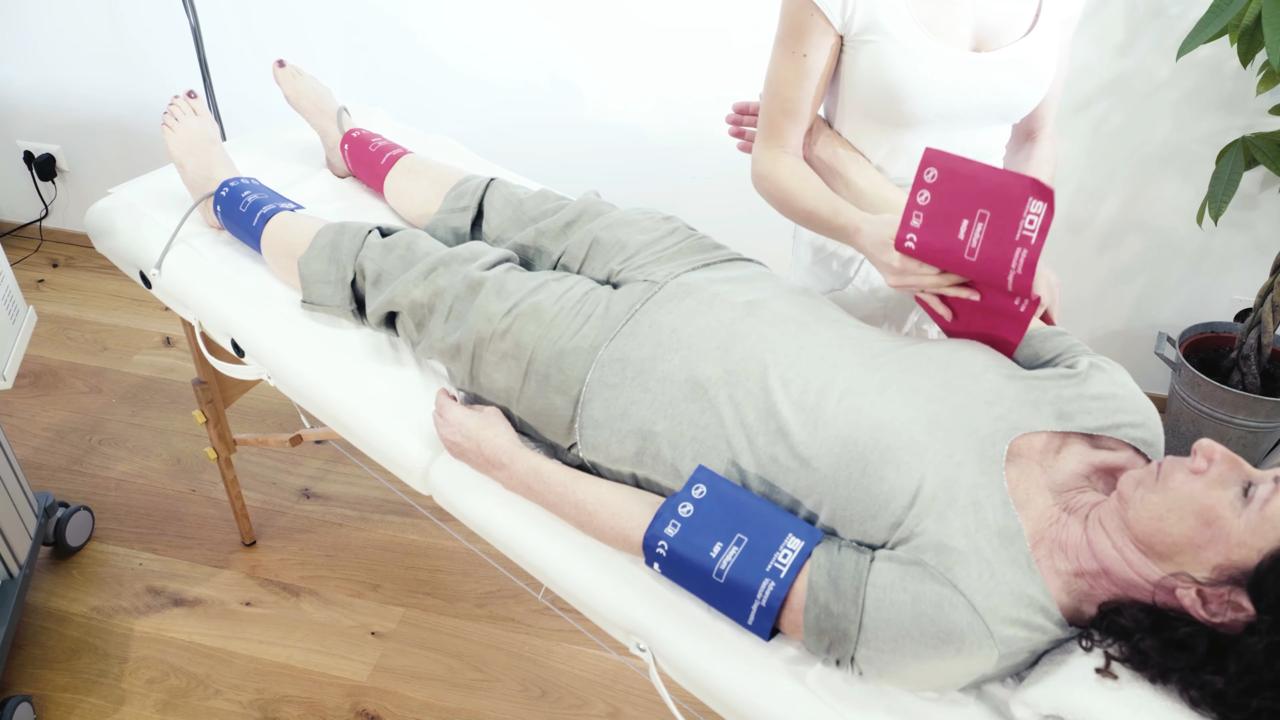
How to Perform an Automated ABI – A Step-by-Step Guide
The Ankle-Brachial Index (ABI) is an established, non-invasive parameter used to assess arterial perfusion of the lower extremities and support the detection of Peripheral Artery Disease (PAD). Traditionally, ABI is measured manually using blood pressure cuffs and Doppler ultrasound. The modern oscillometric approach uses an automated system to record pressure oscillations at multiple extremities simultaneously.…
-
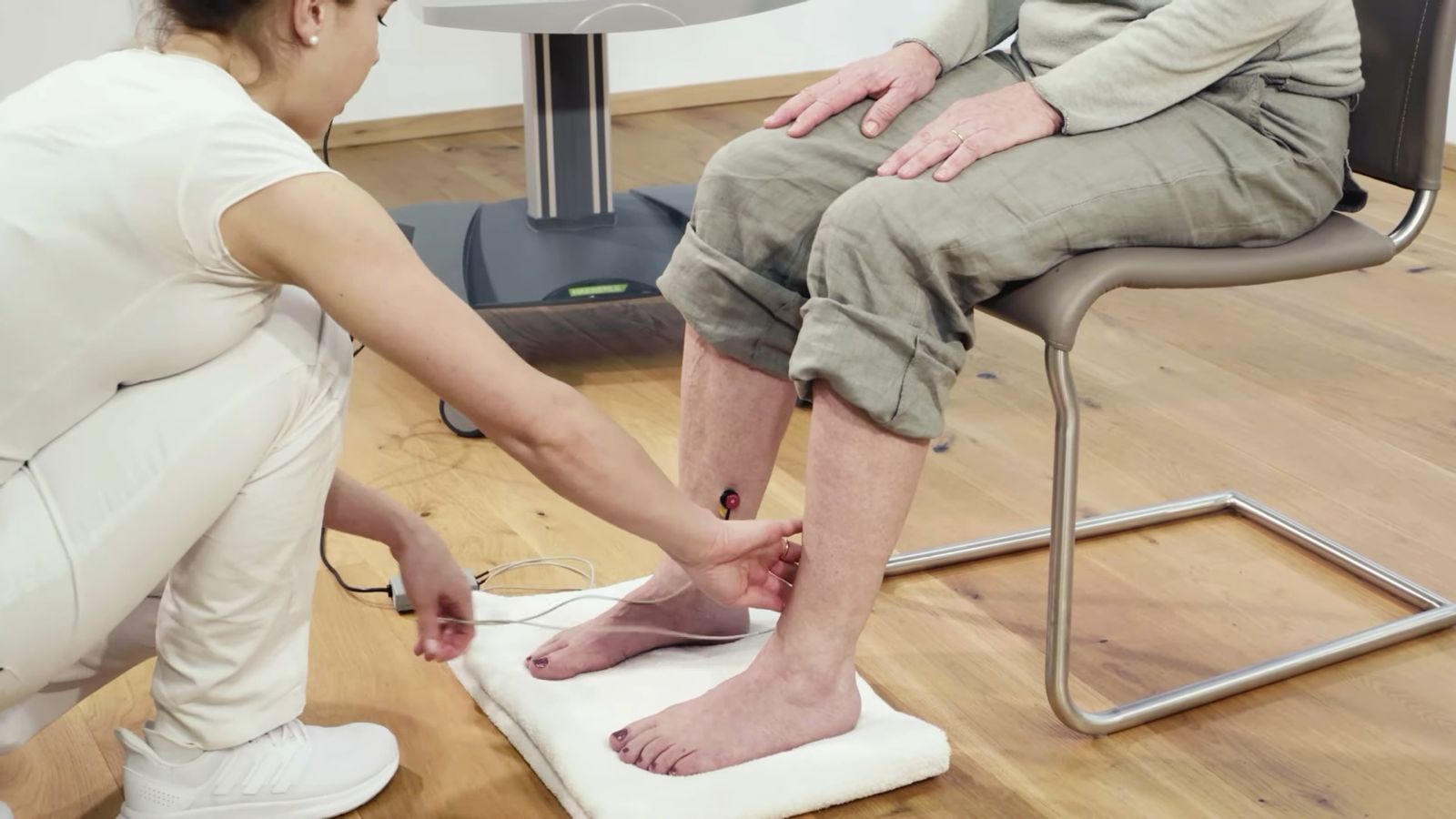
How to Perform a Venous Function Test: A Step-by-Step Guide
Venous diseases are among the most common vascular disorders worldwide, affecting millions of people and significantly impacting quality of life. Symptoms such as heavy legs, swelling, varicose veins, skin changes, and venous ulcers often result from impaired venous return caused by chronic venous insufficiency (CVI). Early assessment of venous function plays a key role in…
-
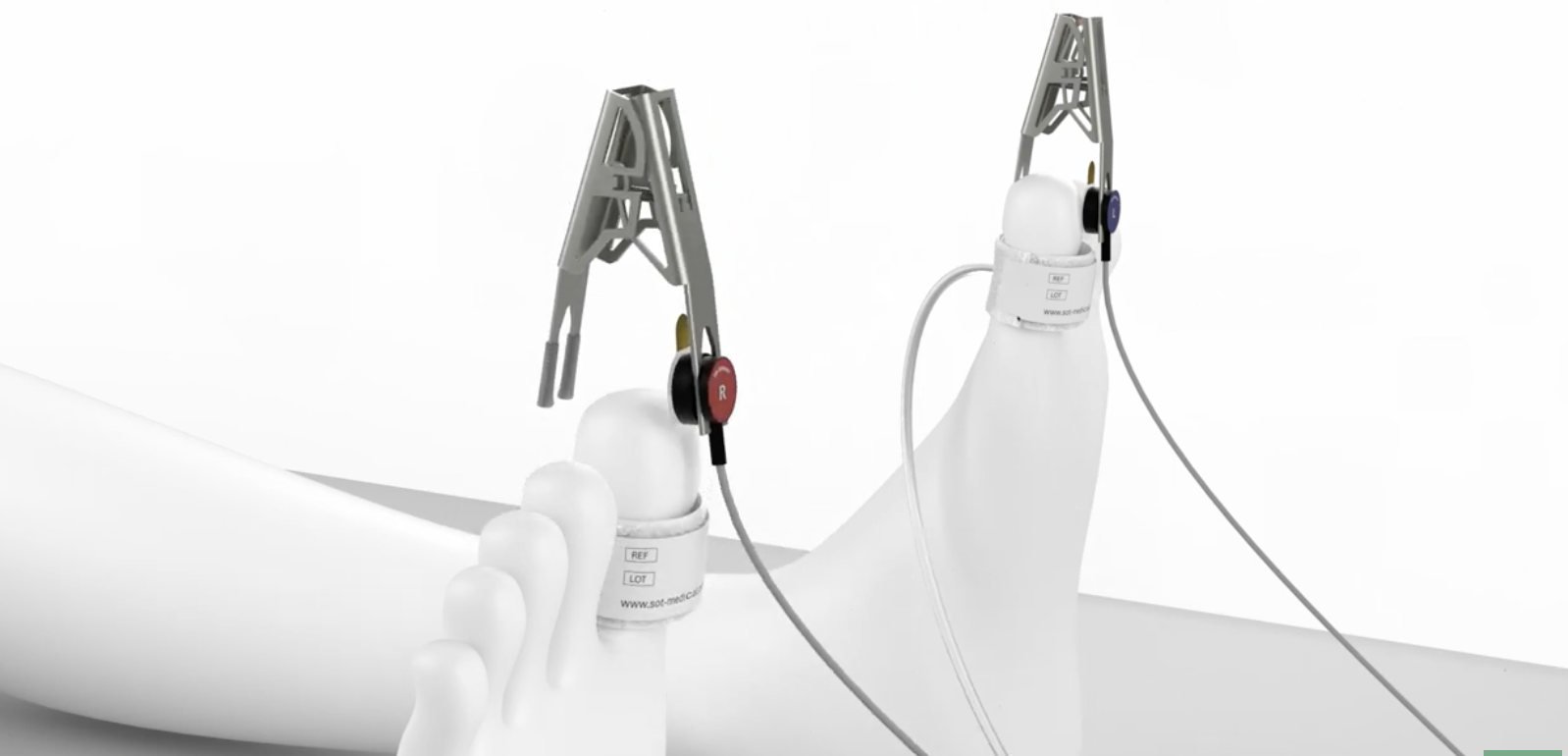
How to Measure Toe Pressure and TBI: A Step-by-Step Guide for Reliable Vascular Assessment
Peripheral arterial disease (PAD) is a leading cause of impaired circulation and can significantly increase the risk of chronic wounds, critical limb ischemia and amputation if left undetected. While the ankle-brachial index (ABI) is the standard screening method for PAD, it has limitations—particularly in patients with diabetes, chronic kidney disease or medial arterial calcification. In…
-

Raynaud’s Syndrome: Understanding the Causes, Symptoms and Importance of Early Assessment
Many people are familiar with cold hands during winter. However, when fingers suddenly turn white, blue and then red, it may be a sign of Raynaud’s Syndrome – a condition that affects blood flow to the extremities. In most cases, Raynaud’s Syndrome is harmless and manageable. In some patients, however, it can be an indicator…
-
Thoracic Outlet Syndrome: When Blood Flow and Nerve Compression Become a Hidden Problem
Thoracic Outlet Syndrome (TOS) is a complex condition that occurs when nerves or blood vessels are compressed in the space between the collarbone and the first rib. Although relatively uncommon, TOS can significantly affect quality of life and is often difficult to recognize due to its wide range of symptoms. Because symptoms frequently resemble musculoskeletal…
Contact us to learn more about vascular diagnostics
Find out which measuring methods can help you with the diagnosis.
Contact us now